If you can't find what you are looking for in our regular collections,
submit a Special Request and let us cut / source it for you. You will be
notified by email if we find a gem that matches your specs.

Submit a Special Request and we will source the gem for you.
SUBMIT YOUR REQUEST HERE
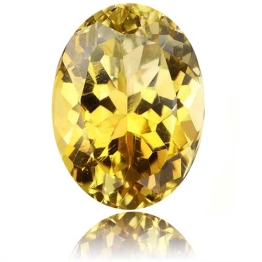
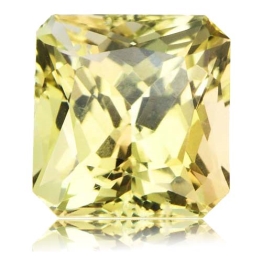
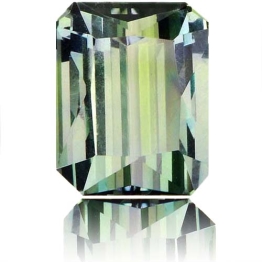
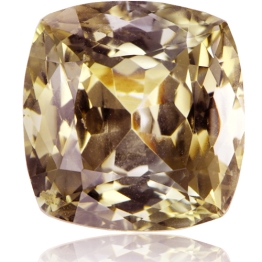
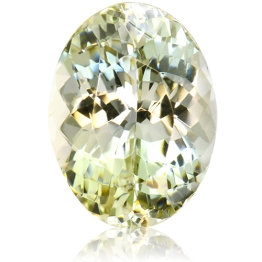
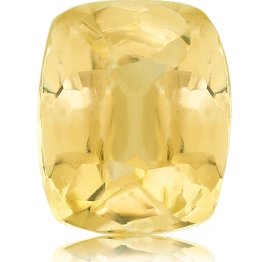
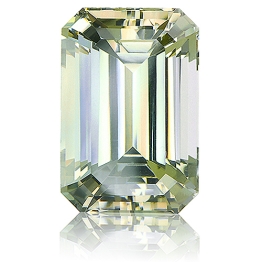
Green Tanzanite is very rare, especially if it is a more pure green with less of a yellow modifier. Very yellowish green stones (ones that are almost more yellow than green) are called “Combat Color” by the miners and are not as rare or as valuable. Green Tanzanite has become something of a collector’s stone and is not readily available in the market. Fine pieces are highly sought after.
Green Tanzanite is actually a Green Zoisite. All gemstones belong to a Species first and then carry a variety name.
 The Blue Variety of the mineral Zoisite is called Tanzanite. The trade has taken to calling other colors of gem quality Zoisite, Fancy Tanzanite or the color followed by the name Tanzanite, Hence “Green Tanzanite”. Whilst this isn’t strictly correct according to scientific nomenclature, it has become the norm in the trade.
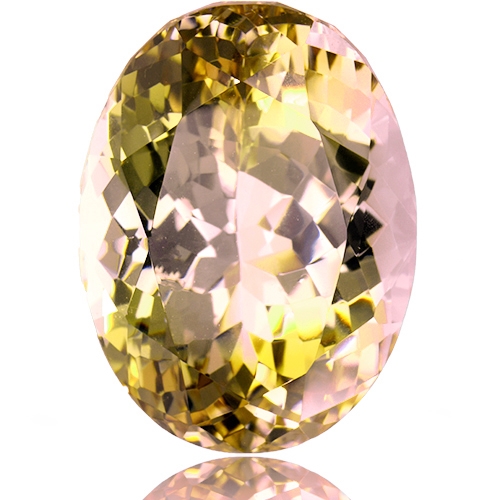
Pink Tanzanite (or Pink Zoisite, to give it its scientific name) is the rarest of all Tanzanites. It is very seldom mined or seen and fine pieces are hard to get.
 The cause of color in Pink Tanzanite is thought to be trace elements of Manganese as opposed to Vanadium which colors the blue variety of Zoisite.
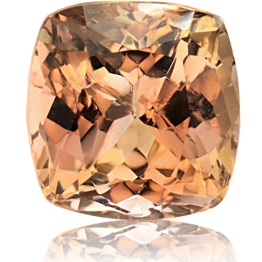
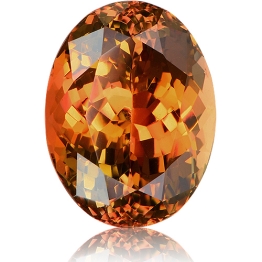
Orange Tanzanite (or Orange Zoisite in correct gemological nomenclature) is mined occasionally. It is a rare form of the mineral Zoisite and fine specimens are not easily available.
 Unheated Tanzanite can look a little orange prior to heating but is not the same thing as a bright orange fancy color. These pieces carry an open, bright, intense orange that is coveted by collectors.
FEATURED IN


If you can't find what you are looking for in our regular collections,
submit a Special Request and let us cut / source it for you. You will be
notified by email if we find a gem that matches your specs.

Your Product has been successfully added to the cart.

Thank You for submitting a Special Request .
We will notify you by email when we find gems that match your specifications and may interest you.
You can see and manage your special requests in your account by loggin into your account and clicking on the link Special Requests.
MESSAGE SENT
We will respond shortly
FRIEND REFERRAL ADDED SUCCESSFULLY
Our system has opened them a Member's Account and sent them
an introduction email. If they purchase off the site, 6% of the sale
will automatically be credited to you EAG Account Statement
NO ITEMS FOUND WITH THAT ID